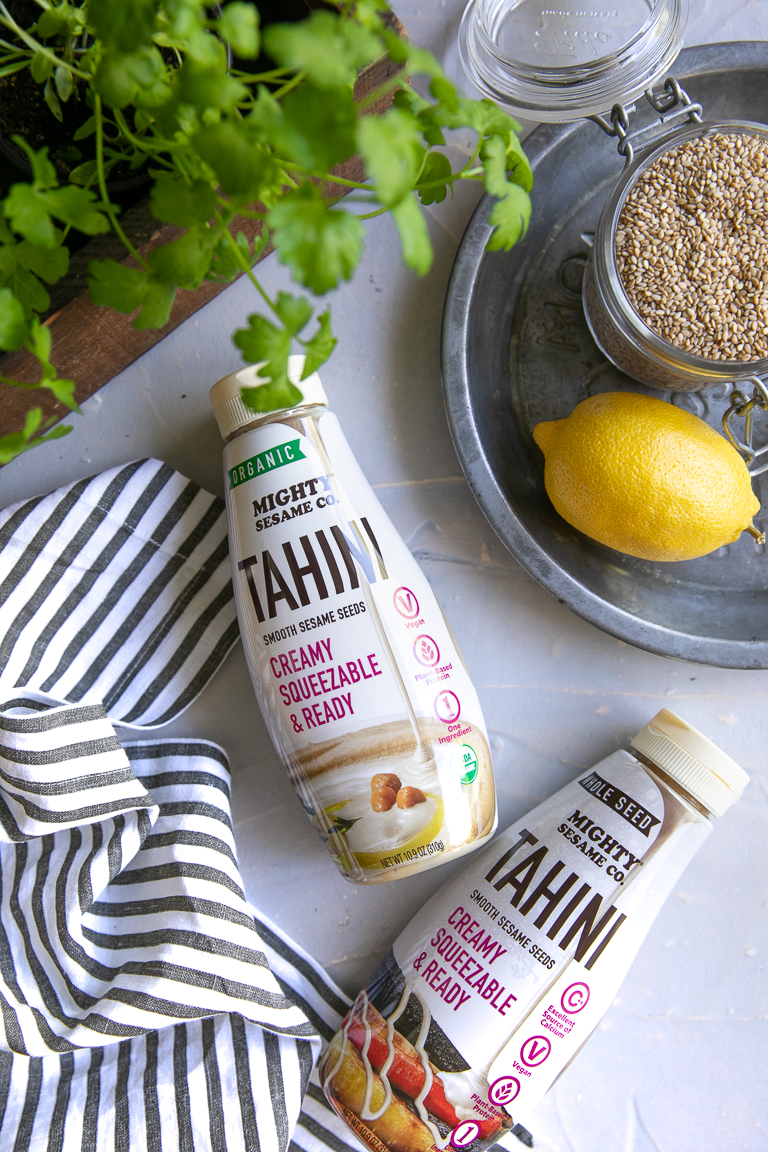
Hulled vs. Unhulled Tahini: Choosing Your Perfect Sesame Paste
In the vibrant tapestry of Middle Eastern and Mediterranean cuisines, few ingredients hold as much understated power and versatility as tahini. This creamy, nutty paste, made from ground sesame seeds, has journeyed from ancient origins to become a modern-day staple in kitchens worldwide. Whether whisked into a savory dressing, blended into a silky hummus, or baked into a decadent dessert, tahini offers a unique depth of flavor and a wealth of nutritional benefits.
However, as you navigate the growing selection of this beloved condiment, you might encounter a key distinction: hulled versus unhulled tahini. This fundamental difference impacts not only the flavor and texture of your sesame paste but also its nutritional profile and best culinary applications. Understanding these nuances is crucial to choosing the perfect tahini for your next culinary adventure.
What is Tahini, Anyway? A Quick Overview of Sesame Paste
At its core, tahini is a simple yet profound creation: a smooth, oily paste produced by meticulously grinding sesame seeds (Sesamum indicum). Known by various names like tahina or sesame butter, it's a testament to ancient food traditions, with sesame cultivation dating back to 5000 BCE in India and the Middle East. Its evolution from manual stone grinding to a globally exported product showcases its enduring appeal.
The journey from seed to paste involves several critical steps:
- Selection: High-quality sesame seeds, often white varieties from regions like Ethiopia, India, or the Middle East, are chosen.
- Cleaning: Impurities are carefully removed.
- Dehulling (for hulled tahini): The outer bran of the seed is removed.
- Roasting: Seeds are gently roasted at temperatures around 120–150°C. This crucial step enhances their inherent nutty flavor and aroma.
- Grinding: The roasted seeds are then mechanically ground into a fine emulsion, yielding the characteristic creamy, semi-liquid to thick paste we know as tahini.
Its naturally nutty, slightly bitter taste and adaptable creamy texture make it an indispensable ingredient. Beyond its traditional roles in dishes like hummus, baba ghanoush, and halva, tahini has found new life in vegan recipes, smoothies, and as a healthy alternative to nut butters. To dive deeper into its many uses, check out our guide: What Is Tahini? Your Essential Guide to Sesame Paste Uses.
Nutritionally, tahini is a powerhouse. It's packed with healthy fats (predominantly unsaturated), protein, and essential minerals like calcium, iron, and magnesium, alongside dietary fiber and antioxidants. For a comprehensive look at its health benefits, explore Tahini's Nutritional Power: Unpacking Sesame Paste Health Benefits.
Hulled Tahini: The Smooth, Milder Choice
When most people picture tahini, they're often envisioning the hulled variety. It's the most common type found in supermarkets and is typically the choice for classic hummus recipes due to its appealing texture and balanced flavor.
The Dehulling Process
The defining characteristic of hulled tahini is the removal of the sesame seed's outer shell or bran. This process, often involving soaking and gentle abrasion, yields a paler, almost ivory-colored seed. These dehusked seeds are then roasted and ground into the final paste.
Characteristics of Hulled Tahini
- Appearance: Distinctly lighter in color, ranging from a pale sandy hue to a creamy off-white. This lighter shade is a direct result of the removed hull.
- Texture: Expect a remarkably smooth, velvety, and pourable consistency. Without the fibrous hull, the paste achieves a finer emulsion, making it incredibly creamy with virtually no grit.
- Flavor Profile: Milder, less intense, and subtly nutty with a delicate bitterness. This makes it highly versatile and less likely to overpower other ingredients in a dish.
- Nutritional Profile: While still very nutritious, the dehulling process does result in a slight reduction in fiber content and some minerals found primarily in the hull. However, it remains a fantastic source of healthy fats, protein, and other essential nutrients.
Best Uses and Ideal For
Hulled tahini is the perfect starting point for tahini novices and an excellent choice for recipes where a smooth texture and balanced flavor are paramount:
- Classic Hummus and Baba Ghanoush: Its creamy texture is essential for achieving the iconic silky consistency of these dips.
- Dressings and Sauces: It blends effortlessly into salad dressings, creamy sauces for roasted vegetables or falafel, and light marinades, providing body and a subtle nutty note without being too dominant.
- Sweet Applications: Its milder flavor makes it ideal for desserts like tahini brownies, cookies, halva (though some prefer unhulled for a bolder halva), or even as a swirl in oatmeal and smoothies.
- Everyday Spreading: Delicious on toast, crackers, or apple slices for a quick, nutritious snack.
Unhulled Tahini: The Robust, Nutrient-Rich Option
For those seeking a bolder flavor, a more rustic texture, and an amplified nutritional boost, unhulled tahini is the answer. It represents the whole, unprocessed goodness of the sesame seed.
Embracing the Whole Seed
As the name suggests, unhulled tahini is made from sesame seeds that retain their outer bran. These whole seeds are then roasted (often more deeply) and ground. The presence of the hull significantly influences the paste's characteristics.
Characteristics of Unhulled Tahini
- Appearance: Significantly darker in color, typically ranging from a deeper sandy brown to a rich, almost chocolatey hue. This reflects the natural color of the sesame seed's intact hull.
- Texture: Expect a thicker, denser paste with a noticeably grittier or more textured mouthfeel. The fibrous hull contributes to this rustic quality, which some find incredibly appealing.
- Flavor Profile: Much stronger, more robust, and intensely nutty, often with a pronounced bitterness. It carries a deeper, sometimes toasted flavor that can add significant depth to dishes. This intensity is due to compounds present in the hull.
- Nutritional Profile: This is where unhulled tahini truly shines. By keeping the hull, it boasts a higher concentration of dietary fiber, calcium (the hull is a rich source!), iron, magnesium, and powerful antioxidants, particularly lignans like sesamin.
Best Uses and Ideal For
Unhulled tahini is a favorite among tahini enthusiasts and those who appreciate its distinctive character:
- Bold Savory Dishes: Its strong flavor stands up well in hearty stews, robust marinades for meats or vegetables, and intensely flavored sauces.
- Traditional Recipes Demanding Depth: Certain authentic Middle Eastern recipes, particularly some regional variations of halva or certain dips, may specifically call for the bolder profile of unhulled tahini.
- Nutritional Boost: If you're looking to maximize your intake of fiber, calcium, and antioxidants from tahini, the unhulled variety is your best bet.
- Balancing Rich Flavors: Its inherent bitterness can be a desirable quality, cutting through and balancing rich, fatty dishes, much like a squeeze of lemon.
Tip: Due to its more pronounced bitterness, unhulled tahini often benefits from being balanced with acidic ingredients like lemon juice, fresh garlic, or a touch of sweetness (like honey or date syrup) in recipes.
Making Your Choice: Hulled vs. Unhulled for Your Culinary Adventures
Deciding between hulled and unhulled tahini ultimately comes down to a few key considerations:
Taste Preference
Do you prefer a mild, subtle nuttiness that blends seamlessly, or do you crave a bold, earthy, and distinctly bitter flavor that makes its presence known? If you're new to tahini, starting with hulled is often recommended. If you're an adventurous eater or already love the unique taste of sesame, unhulled might be your new favorite.
Nutritional Goals
While both types are healthy, unhulled tahini offers a clear advantage in terms of fiber, calcium, and antioxidant content due to the intact hull. If maximizing these specific nutrients is a priority, opt for unhulled. However, remember that all tahini, in moderation, is a nutritious addition to your diet.
Recipe Application
Consider the role tahini will play in your dish:
- For a silky-smooth texture and gentle flavor in classic hummus, light dressings, or subtle sweet treats, hulled tahini is your champion.
- For a robust, earthy flavor and a denser texture that can stand up to strong ingredients in savory stews, bold marinades, or traditional, rustic dishes, unhulled tahini will shine.
Other Considerations: Raw vs. Roasted
Beyond hulled vs. unhulled, tahini can also be either raw or roasted. Raw tahini, made from unroasted seeds, typically has a lighter color, a milder flavor, and retains more heat-sensitive nutrients. Roasted tahini, which is more common, boasts a deeper color and a more pronounced, toasted flavor profile, enhancing its nutty characteristics. Most tahini on the market is roasted.
When selecting any tahini, look for brands with a single ingredient – 100% ground sesame seeds – and expect some natural oil separation, which simply requires a good stir before use. High-quality tahini, often sourced from Ethiopia (known for its premium Humera sesame seeds) or Israel, will generally offer a superior experience.
Embrace the Sesame Spectrum
Both hulled and unhulled tahini offer unique and valuable contributions to the culinary world. Neither is inherently "better" than the other; instead, they serve different purposes and cater to varying palates and nutritional desires. By understanding their distinct characteristics, you empower yourself to make informed choices that elevate your cooking and deepen your appreciation for this ancient, versatile sesame paste. So go ahead, experiment with both varieties, and discover your perfect sesame companion!
