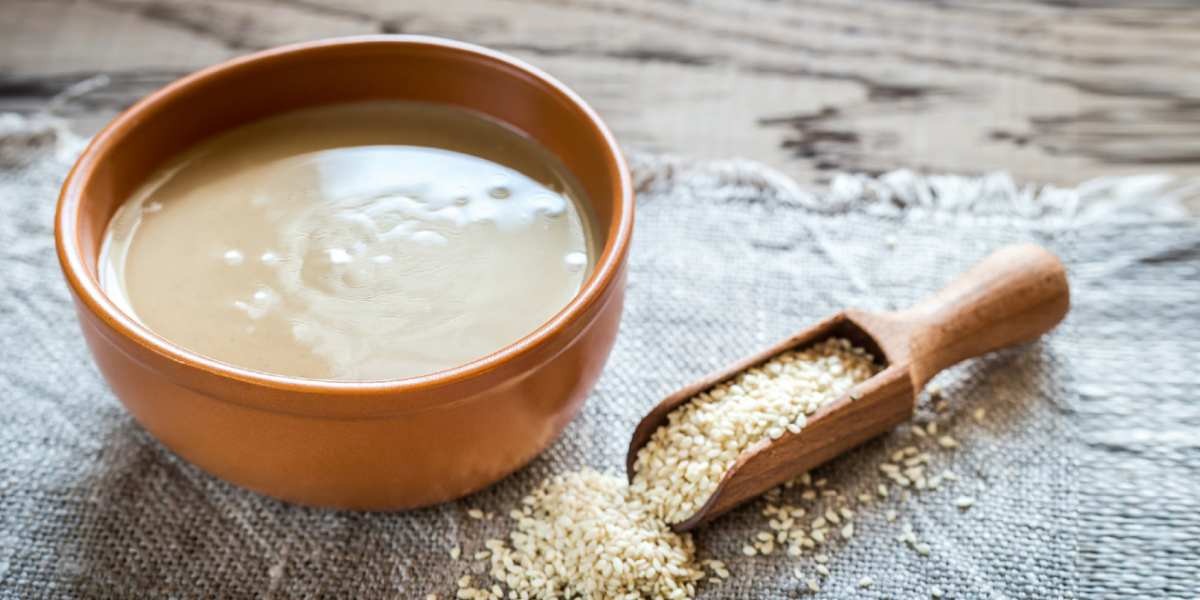
Once a hidden gem primarily found in Middle Eastern and Mediterranean kitchens, tahini has surged in popularity across global culinary landscapes. This versatile, creamy paste, crafted from ground sesame seeds, is not just a flavor enhancer; it's a nutritional powerhouse waiting to be discovered. Often referred to as "sesame butter," tahini offers a unique nutty, slightly bitter profile and a rich, smooth texture that makes it an indispensable ingredient in dishes ranging from savory hummus and baba ghanoush to sweet halva and modern vegan desserts. But beyond its culinary versatility, tahini boasts an impressive array of health benefits that make it a valuable addition to any balanced diet.
The journey of tahini begins with high-quality sesame seeds, typically hulled white varieties. These seeds are carefully cleaned, dehusked, and then gently roasted at moderate temperatures (around 120–150°C) to deepen their flavor. The final step involves mechanical grinding, which transforms the seeds into a fine, oily emulsion – the tahini we know and love. Historically, sesame cultivation dates back to 5000 BCE in India and the Middle East, with references to tahini-like preparations appearing in texts as early as 3500 BCE. Today, its global appeal is undeniable, valued not only for its distinct taste but increasingly for its profound nutritional value.
The Nutritional Powerhouse: Unpacking Tahini's Key Components
What truly sets tahini apart is its remarkable nutrient density. A 100-gram serving of tahini packs a significant punch, delivering a concentrated dose of healthy fats, protein, essential minerals, fiber, and potent antioxidants. Understanding these components reveals why tahini is considered a superfood in many health-conscious circles.
Healthy Fats for Heart Health
Tahini is rich in fats, with approximately 54 grams per 100-gram serving. Crucially, the majority of these are unsaturated fats, including monounsaturated and polyunsaturated fatty acids. These "good" fats are vital for maintaining heart health, helping to lower levels of LDL (bad) cholesterol and reduce the risk of cardiovascular disease. The healthy fats in tahini also play a role in hormone production, nutrient absorption (especially fat-soluble vitamins), and providing a sustained source of energy. While calorie-dense at about 595 kcal per 100 grams, these fats are fundamental for optimal bodily function, making moderation key to enjoying tahini's benefits without overconsumption.
Protein Power for Muscle and More
With around 17 grams of protein per 100 grams, tahini is an excellent plant-based protein source. Protein is essential for building and repairing tissues, producing enzymes and hormones, and supporting immune function. For vegans and vegetarians, tahini offers a valuable way to boost protein intake, contributing to satiety and muscle maintenance. Its amino acid profile, though not complete on its own, complements other plant proteins wonderfully, making it a valuable component of a plant-forward diet.
Mineral Marvel: Calcium, Iron, and Magnesium
Tahini is a treasure trove of vital minerals that are often deficient in modern diets:
- Calcium (426 mg per 100g): Crucial for strong bones and teeth, nerve transmission, and muscle function. This high calcium content makes tahini an excellent dairy-free alternative for bone health support.
- Iron (9 mg per 100g): Essential for oxygen transport in the blood, energy production, and preventing anemia. Pairing tahini with Vitamin C-rich foods can enhance iron absorption.
- Magnesium (95 mg per 100g): Involved in over 300 enzymatic reactions in the body, supporting muscle and nerve function, blood sugar control, and blood pressure regulation.
Beyond these, tahini also provides phosphorus, potassium, zinc, and selenium, each playing a critical role in overall health and well-being.
Fiber for Digestive Wellness
Though not in exceptionally high amounts, tahini does contribute dietary fiber. Fiber is indispensable for a healthy digestive system, promoting regular bowel movements, preventing constipation, and supporting a balanced gut microbiome. It also helps in regulating blood sugar levels and can contribute to a feeling of fullness, aiding in weight management.
Antioxidant Richness: The Magic of Lignans
One of tahini's most impressive nutritional attributes comes from its antioxidant content, particularly sesame lignans like sesamin and sesamolin. These powerful compounds are responsible for many of sesame seeds' touted health benefits, including potent anti-inflammatory effects. Antioxidants combat oxidative stress, which is a key factor in aging and the development of chronic diseases. By neutralizing free radicals, lignans in tahini help protect cells from damage, reduce inflammation throughout the body, and potentially lower the risk of various conditions.
Beyond the Basics: Specific Health Benefits of Tahini
Given its rich nutritional profile, tahini offers a wide spectrum of targeted health advantages:
- Supporting Cardiovascular Health: The combination of unsaturated fats, fiber, and antioxidants (especially lignans) in tahini works synergistically to promote heart health. It can help improve cholesterol profiles, reduce arterial plaque formation, and maintain healthy blood pressure.
- Anti-Inflammatory Effects: Chronic inflammation is at the root of many modern diseases. The sesamin and other lignans in tahini are powerful anti-inflammatory agents, offering relief and protection against inflammatory conditions.
- Bone Health Boost: With its significant calcium and magnesium content, tahini is a superb food for supporting bone density and strength, making it particularly beneficial for individuals seeking non-dairy sources of these vital minerals.
- Energy and Vitality: The healthy fats and protein provide sustained energy, while B vitamins (also present in smaller amounts) support metabolic processes, helping to combat fatigue and maintain overall vitality.
- Gut Health: The fiber content aids in maintaining a healthy digestive tract, supporting beneficial gut bacteria and promoting regular elimination.
- Skin and Hair Health: The healthy fats, vitamins, and minerals in tahini contribute to nourished skin and strong hair, reflecting internal health outwardly.
Choosing the Right Tahini for Maximum Benefits
The world of tahini offers a few variations, and understanding them can help you select the best option for your nutritional goals and taste preferences.
Hulled vs. Unhulled Tahini
This is perhaps the most significant distinction. Hulled tahini, made from sesame seeds with their outer shells removed, results in a lighter-colored, creamier paste with a milder flavor. It's generally easier to digest for some people. Unhulled tahini, conversely, uses whole sesame seeds, including the hull. This variety is darker, has a slightly more robust and sometimes bitter taste, and is significantly more nutrient-rich, containing higher levels of fiber, calcium, and other minerals concentrated in the hull. For a deeper dive into these differences and to help you choose your perfect sesame paste, explore our guide on Hulled vs. Unhulled Tahini: Choosing Your Perfect Sesame Paste.
Raw vs. Roasted Tahini
Tahini can also be made from raw or roasted sesame seeds. Raw tahini tends to be lighter in color and flavor, retaining a slightly higher nutrient content due to minimal heat processing. Roasted tahini, the more common variety, offers a darker color and a more pronounced, toasted flavor, which many find more appealing and aromatic.
When buying tahini, look for brands with minimal ingredients – ideally just ground sesame seeds. Some may include a touch of salt. Avoid those with added oils or excessive preservatives.
Incorporating Tahini into Your Diet (Beyond Hummus)
Tahini's versatility makes it incredibly easy to integrate into your daily meals. While it's famously the star of hummus and baba ghanoush, its applications extend far beyond traditional Middle Eastern fare. For more ideas on how to use this incredible ingredient, refer to our comprehensive guide What Is Tahini? Your Essential Guide to Sesame Paste Uses.
- Dressings and Sauces: Whisk tahini with lemon juice, garlic, water, and herbs for a creamy, tangy dressing over salads, roasted vegetables, or falafel.
- Smoothies: A spoonful of tahini adds healthy fats, protein, and a unique nutty flavor to your morning smoothie, helping to keep you full longer.
- Marinades: Use tahini as a base for marinades for chicken, fish, or tofu, infusing them with depth and moisture.
- Baked Goods: Incorporate tahini into cookies, brownies, or bread for a distinctive flavor and added nutritional boost.
- Breakfast Topping: Drizzle tahini over oatmeal, toast, or yogurt with a touch of honey or maple syrup for a delicious and nutritious start to your day.
- Dips and Spreads: Beyond hummus, tahini makes a fantastic base for various dips, or simply spread it on crackers or apple slices.
Pro Tip: If your tahini has separated with oil on top, simply stir it vigorously to recombine the paste. Storing it in the refrigerator can help prevent separation, especially in warmer climates.
From ancient staple to modern superfood, tahini's nutritional power is undeniable. Its rich profile of healthy fats, complete plant-based protein, essential minerals like calcium and iron, and potent antioxidants makes it a valuable asset for supporting heart health, reducing inflammation, boosting bone strength, and enhancing overall vitality. By mindfully incorporating this creamy, flavorful sesame paste into your diet, you can unlock a delicious world of health benefits and elevate your culinary creations. Whether hulled or unhulled, raw or roasted, tahini truly is a gift of nature, offering both exquisite taste and profound nourishment.
