What Is Tahini? Your Essential Guide to Sesame Paste Uses
Often hailed as the "Middle Eastern peanut butter," tahini is far more than just a spread. This creamy, nutty paste, made from ground sesame seeds, has been a culinary cornerstone in Middle Eastern and Mediterranean cuisines for millennia. From adding a distinctive depth to savory dishes to lending a unique richness to desserts, tahini's versatility and unique flavor profile have captivated taste buds across the globe. Whether you're a seasoned chef or a curious home cook, understanding tahini unlocks a world of flavor and nutritional benefits.
Decoding the Sesame Paste: What Exactly is Tahini?
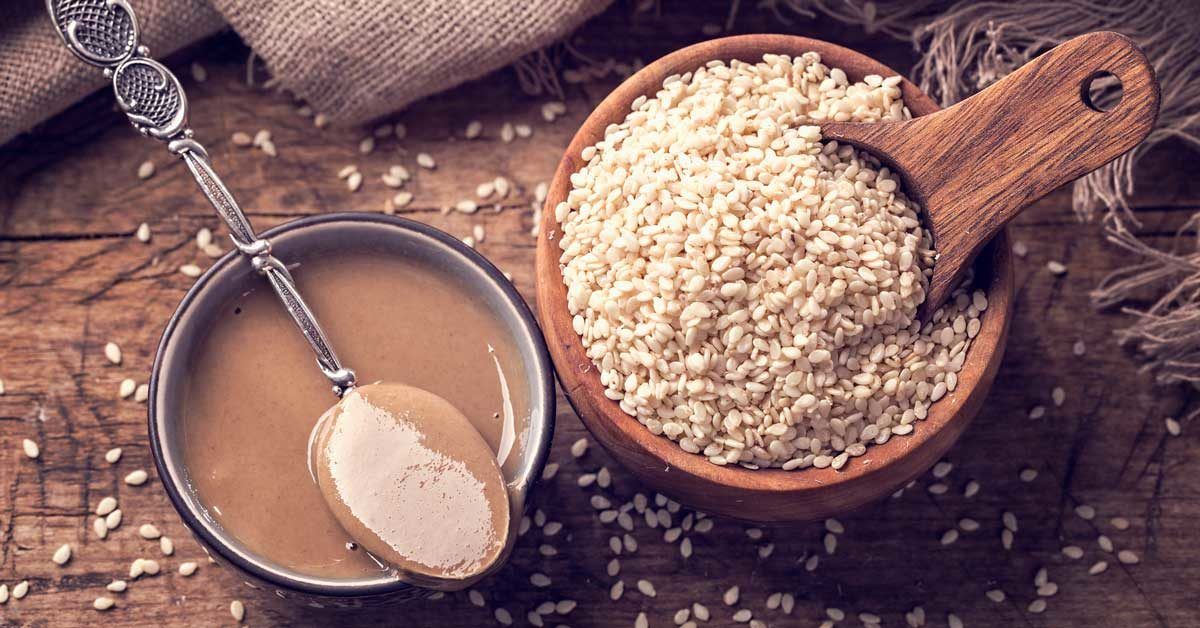
At its heart, tahini is a simple yet profound creation: a smooth, oily paste produced by grinding hulled, roasted sesame seeds (Sesamum indicum). Known also as tahina or sesame butter, it's characterized by its distinctly nutty, slightly bitter flavor and a creamy texture that can range from a pourable semi-liquid to a thick, spoonable paste. This variation largely depends on the grinding process and the specific variety of sesame seeds used.
The journey of tahini begins with carefully selected, high-quality sesame seeds, most commonly hulled white varieties sourced from prolific regions like the Middle East, India, or Ethiopia. These seeds undergo a meticulous process:
- Cleaning and Dehulling: The seeds are thoroughly cleaned, and for most commercial tahini, the outer shells are removed, resulting in a smoother, lighter-colored paste.
- Roasting: The hulled seeds are then gently roasted at temperatures typically between 120–150°C. This crucial step is what develops tahini's signature nutty aroma and complex flavor profile, transforming bland seeds into a culinary powerhouse.
- Grinding: Finally, the roasted seeds are mechanically ground into a fine emulsion. The natural oils within the sesame seeds are released during this process, creating the characteristic smooth, rich consistency of tahini.
The history of tahini is as rich as its flavor. Ancient sesame cultivation dates back an astonishing 5000 BCE in India and the Middle East. Over millennia, what began as manual stone grinding evolved into a staple ingredient. Historical texts from as early as 3500 BCE reference sesame-based preparations, highlighting its enduring significance. Today, tahini is a globally cherished condiment, with major production hubs in countries such as Israel, Greece, and Turkey, and it's readily available in most supermarkets worldwide.
The Versatile World of Tahini: Beyond Hummus
While tahini is perhaps most famous as a primary ingredient in traditional Middle Eastern hummus and the smoky baba ghanoush, its culinary applications extend far beyond these beloved dips. In many Middle Eastern and North African cuisines, tahini is as ubiquitous as salt and pepper, gracing tables at every meal as a flavoring agent and condiment. Its unique balance of richness and subtle bitterness makes it incredibly adaptable.
Traditional Uses:
- Sauces and Dressings: Whisked with lemon juice, garlic, and water, tahini transforms into a creamy, tangy sauce perfect for drizzling over falafel, shawarma, grilled vegetables, or salads.
- Halva: This dense, sweet confection, often flavored with pistachios or chocolate, showcases tahini's ability to create a deeply satisfying dessert.
- Main Dishes: It's used to enrich stews, add body to soups, and even as a marinade for meats and fish.
Modern Applications & Creative Kitchen Tips:
In contemporary cooking, tahini has transcended its traditional boundaries, finding new life in a myriad of dishes, particularly in the realm of plant-based and health-conscious eating. It's a fantastic plant-based alternative to nut butters, offering a distinct flavor profile and catering to those with nut allergies.
- Smoothies: A spoonful of tahini adds healthy fats, protein, and a creamy texture to your morning smoothie.
- Baked Goods: Incorporate tahini into cookies, brownies, cakes, or even quick breads for an unexpectedly rich, earthy note.
- Vegan Cheeses & Spreads: Its inherent creaminess makes it an excellent base for plant-based "cheese" sauces or rich, savory spreads.
- Marinades: Pair tahini with soy sauce, ginger, and a touch of maple syrup for a delicious marinade for tofu, chicken, or vegetables.
- Dessert Toppings: Drizzle a mix of tahini and maple syrup over roasted fruit, ice cream, or yogurt for a sophisticated finish.
When cooking with tahini, remember that a little goes a long way due to its rich flavor and density. Always stir tahini thoroughly before use, as its natural oils tend to separate and rise to the top, similar to natural peanut butter. If it's too thick, a touch of warm water can help achieve the desired consistency, transforming it into a luxurious, pourable sauce.
Tahini's Nutritional Profile: A Powerhouse in Every Spoonful
Beyond its incredible culinary versatility, tahini is highly valued for its impressive nutritional credentials. It's a truly nutrient-dense food, packing a significant punch of essential macronutrients and micronutrients into every serving. For a deeper dive into the health benefits, be sure to read our article: Tahini's Nutritional Power: Unpacking Sesame Paste Health Benefits.
A typical 100-gram serving of tahini provides approximately:
- Fats: Around 54 grams, predominantly healthy unsaturated fats, including monounsaturated and polyunsaturated fatty acids, which are beneficial for heart health.
- Protein: A substantial 17 grams, making it a valuable plant-based protein source.
- Calories: Approximately 595 kcal, indicating its high energy density – a little goes a long way!
Tahini is also an excellent source of vital minerals:
- Calcium: Around 426 mg, crucial for bone health and nerve function.
- Iron: About 9 mg, important for oxygen transport and energy.
- Magnesium: Roughly 95 mg, involved in over 300 biochemical reactions in the body.
Furthermore, tahini provides dietary fiber, which aids digestion, and is rich in antioxidants from sesame lignans, such as sesamin. These compounds contribute to potential health benefits, including support for cardiovascular health, anti-inflammatory effects, and protection against oxidative stress. However, given its high calorie density, moderation is key to enjoying tahini as part of a balanced diet.
Choosing Your Tahini: Hulled vs. Unhulled, Raw vs. Roasted
Just like fine wines or gourmet coffees, not all tahini is created equal. The type of sesame seed used and its processing can significantly impact the final product's flavor, texture, and nutritional content. Understanding these differences will help you select the perfect tahini for your culinary creations. For an in-depth exploration of these choices, check out our guide: Hulled vs. Unhulled Tahini: Choosing Your Perfect Sesame Paste.
1. Hulled vs. Unhulled Tahini:
- Hulled Tahini: This is the most common type. The outer shells of the sesame seeds are removed before grinding. This results in a paler, creamier paste with a milder, less bitter flavor. While still nutritious, the dehulling process can slightly reduce its fiber content and some nutrients compared to its unhulled counterpart. It's generally preferred for its smooth texture and delicate taste, making it ideal for many classic Middle Eastern dishes.
- Unhulled Tahini: Made from whole sesame seeds, including the hull. This variety is darker in color, often thicker, and can have a more robust, slightly more bitter, and intensely toasted flavor. Nutritionally, unhulled tahini typically boasts higher fiber content and a greater concentration of certain minerals, as the hull contains beneficial compounds. Some people find its texture a bit grittier.
2. Raw vs. Roasted Tahini:
- Raw Tahini: Made from unroasted sesame seeds. It's lighter in color and has a very mild, almost sweet, nutty flavor. Proponents of raw food diets often prefer this type, as it retains the maximum amount of heat-sensitive nutrients.
- Roasted Tahini: The most common form, made from seeds that have been lightly roasted. The roasting process deepens the color to a sandy or light brown and intensifies the nutty, toasted flavor, adding complexity and aroma. This is the flavor profile most people associate with traditional tahini.
When buying tahini, look for brands with a simple ingredient list – ideally just "sesame seeds." Some brands might add a small amount of oil or salt, which can be fine, but pure sesame paste is generally preferred for its versatility. The color can range from a light sandy hue (typical of hulled, raw or lightly roasted) to a deep brown (often indicating unhulled or heavily roasted seeds). Very dark varieties, sometimes sold in blocks, are usually unhulled and can have a very strong, sometimes bitter, toasted flavor.
Storage Tips: Store tahini in a cool, dark place or in the refrigerator once opened. Over time, the oil may separate from the solids, which is completely natural. Simply stir it vigorously to recombine before use. If it becomes too stiff from refrigeration, let it sit at room temperature for a while or gently warm it in a double boiler to restore its creamy texture.
Practical Tips for Cooking with Tahini
Embracing tahini in your kitchen can be a delightful journey. Here are some actionable tips to help you master this incredible ingredient:
- The Art of Emulsification: When making a tahini sauce or dressing, it often starts very thick. Gradually whisk in cold water, lemon juice, or even ice water. This process helps the tahini emulsify, transforming it into a silky-smooth, pourable consistency. Don't be afraid to add more liquid than you initially think – it will thicken up again as you whisk.
- Balancing Bitterness: While a hallmark of tahini, the slight bitterness can be balanced with other flavors. Lemon juice is a classic pairing, as its acidity brightens and mellows the bitterness. A touch of sweetness, like honey, maple syrup, or date syrup, can also create a beautiful harmony, especially in desserts or savory applications where a hint of sweetness is desired.
- Flavor Pairings: Tahini loves bold flavors. Garlic, cumin, paprika, fresh herbs like parsley and cilantro, and citrus are all excellent companions. Experiment with adding a pinch of smoked paprika for an extra layer of depth.
- Dealing with Separation: Oil separation is normal in natural tahini. Before using, open the jar and stir it vigorously from the bottom up with a sturdy spoon or butter knife until fully recombined. If the oil is very thick and hard to stir, you can sometimes carefully pour off some of the separated oil, stir the bottom paste, then slowly incorporate the oil back in.
- Consistency Control: For dips like hummus, you want a thicker consistency. For dressings, marinades, or drizzles, aim for a thinner, more pourable sauce. Always adjust with small amounts of liquid until you reach your desired texture.
Conclusion
Tahini is truly a culinary chameleon, a testament to the simple power of a single ingredient transformed. From its ancient origins as a staple in Middle Eastern and Mediterranean kitchens to its surging popularity in modern, global cuisine, this humble sesame paste offers an unparalleled blend of nutty flavor, creamy texture, and robust nutrition. Whether you're whipping up a classic batch of hummus, drizzling it over roasted vegetables, or experimenting with an unexpected dessert, tahini invites exploration and creativity. So, go ahead and make tahini your next kitchen essential – your taste buds will thank you for discovering this versatile and delicious sesame secret.
